-
The Sleep CBD Gummy, Honestly: What Actually Helps You Sleep in 2026
The short version: A sleep CBD gummy may help some people relax into sleep, but the science is messier than the marketing. Notably, a 2024 study found plain CBD isolate worked about as well for sleep as CBD blended with CBN, which undercuts the idea that you must pay for a loaded formula. What matters more is a real dose, a lab report, consistency, and honest expectations. If you want a clearly dosed, well-reviewed option, deVINE Boston’s GummieZzz pair CBD with CBN and calming amino acids and carry a perfect customer rating. Adults 21 and up. Wellness information, not medical advice; see a doctor about ongoing insomnia.
Anyone who has lain awake at 2 a.m. scrolling for something, anything, that might help has met the sleep CBD gummy. The category promises calm, deeper rest, and mornings without grogginess, and the packaging is reliably soothing shades of purple and navy. But here’s the thing most of these product pages won’t tell you: the evidence behind a sleep CBD gummy is genuinely mixed, and the loaded “sleep formula” you’re being upsold may not beat a simpler one. This guide is the honest walkthrough, what the research actually supports, where the marketing gets ahead of the science, and how to spend your money wisely if you decide to try one.
We’ll skip the breathless promises. Instead, let’s start with the single most useful, and most overlooked, fact in this whole category.
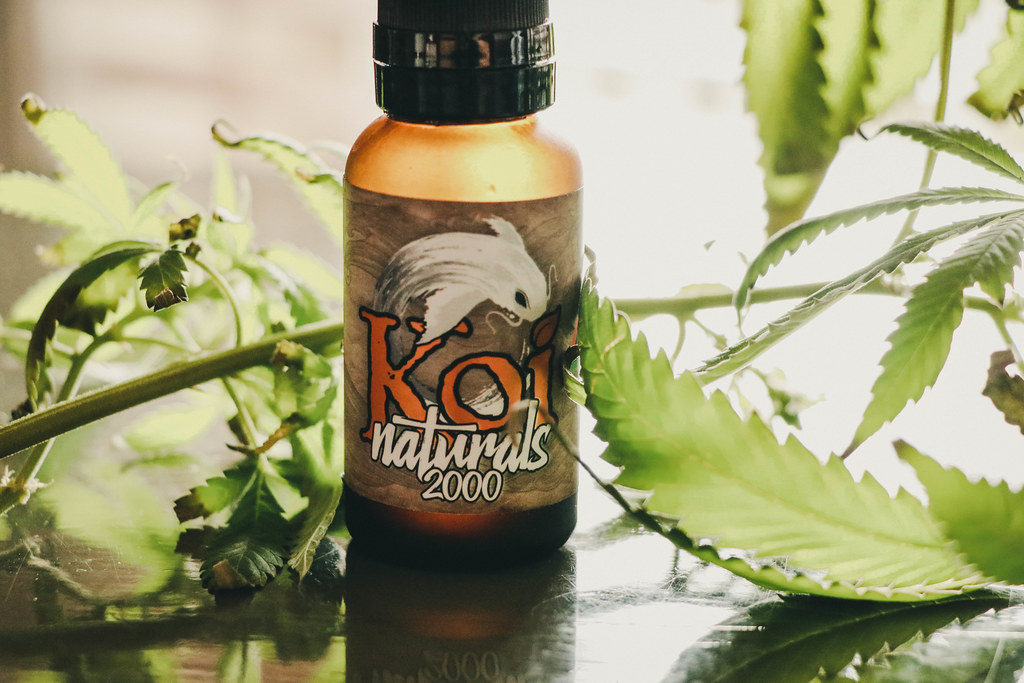
Photo: elsaolofsson via flickr, CC BY 2.0 The myth worth busting first: more cannabinoids does not always mean more sleep
Walk down the sleep aisle and you’ll see gummies stacked with CBD plus CBN plus melatonin plus CBC plus a botanical or two, each addition nudging the price up. The pitch is intuitive: more sleepy ingredients, more sleep. The research is less cooperative. A 2024 study found that 15mg of CBD isolate appeared to help sleep about as well as CBD combined with CBN and CBC, suggesting the extra cannabinoids may not be doing as much heavy lifting as the label implies. That doesn’t mean CBN is useless, plenty of people prefer how a CBD-and-CBN gummy feels, but it does mean you shouldn’t assume a longer ingredient list automatically buys you better rest.
Why does this matter for your wallet and your sleep? Because it reframes the whole shopping decision. Instead of chasing the most loaded formula, the smarter move is to find a gummy with an honest, adequate dose of CBD, optionally paired with CBN if you like that profile, from a brand that proves what’s inside with a lab report. The “kitchen sink” formula isn’t a scam, but it isn’t a guarantee either, and knowing that puts you back in control of the purchase.
There’s a second reason the “more is better” instinct misleads people here. Sleep is highly individual, and the same gummy that knocks out your friend might do little for you, or vice versa, because body chemistry, tolerance, metabolism, and the actual cause of your sleeplessness all vary. A long ingredient list creates the impression of a stronger product, but it can also make it harder to tell which component is helping and which is just adding cost. Starting simpler, with a clear CBD dose and maybe one complementary ingredient, makes your personal experiment easier to read: if it works, you know roughly why, and if it doesn’t, you’ve changed one variable rather than five. That clarity is worth more than the reassurance of a crowded label.
What a sleep CBD gummy can and can’t do
Let’s set honest expectations, because that’s where most disappointment with this category comes from. CBD is non-intoxicating and interacts with the body’s endocannabinoid system, a network involved in regulating mood, stress, and sleep-related signaling. The plausible story is that by easing the mental and physical tension that keeps you wired at bedtime, CBD may make it easier to drift off. Many users report exactly that: not a sedative knockout, but a softer landing into sleep.
What a sleep CBD gummy can’t reliably do is “cure” insomnia or knock you out like a prescription sleep drug. The research on cannabinoids for sleep is still developing, real-world reports show measurable improvement for some people while controlled evidence remains limited, and results vary a lot from person to person. According to the U.S. Centers for Disease Control and Prevention, a large share of American adults regularly fall short on sleep, so the demand is enormous, but demand is not the same as proof. If your sleep trouble is severe, persistent, or worsening, a gummy is not a substitute for talking to a doctor, who can rule out conditions like sleep apnea that no supplement will fix.
This video offers a useful overview of using CBD for sleep:
The cannabinoid cast, and what each one is really for
Sleep gummies throw a lot of initials at you. Here’s the plain-language version of who’s who, so the labels stop being a blur.
CBD (cannabidiol) is the non-intoxicating headliner, associated with easing stress and tension rather than direct sedation. It’s the backbone of most sleep gummies and, per the 2024 finding above, may do more of the work than the add-ons.
CBN (cannabinol) is the cannabinoid most marketed for sleep. It forms as hemp ages and is often described as relaxing, though the human evidence specific to CBN is thinner than the marketing suggests. Some people genuinely prefer CBD-plus-CBN; just don’t assume it’s a proven upgrade.
Melatonin isn’t a cannabinoid at all, it’s a hormone your body makes to time your sleep-wake cycle. It can help with short-term issues like jet lag, but it doesn’t work well for everyone, can cause next-day grogginess or vivid dreams, and tends to lose punch with nightly use. That’s why some people deliberately seek melatonin-free gummies.
Supporting players like L-theanine, GABA, and botanicals (chamomile, valerian) show up to promote a calmer headspace. They’re generally mild and complementary rather than the main event.
The practical upshot: match the cast to your problem. Racing mind at bedtime points toward CBD with calming aminos; if you’ve tried CBD alone and want a different feel, a CBD-and-CBN gummy is a reasonable experiment; and if melatonin leaves you foggy, a melatonin-free formula is worth seeking out.
A clearly dosed option worth knowing: deVINE’s GummieZzz
If the lesson so far is “find an honest dose from a brand that proves it,” a good illustration of that standard is the GummieZzz from deVINE Boston, a South Boston wellness shop that publishes lab reports for what it carries. What makes them a useful example isn’t hype, it’s transparency: each gummy spells out exactly what’s inside rather than hiding behind a proprietary blend.
The formula lands squarely in the evidence-informed sweet spot we’ve been describing. Each gummy carries 25mg of CBD as the backbone, 25mg of CBN for those who like that profile, and 25mg each of L-theanine and GABA to quiet a busy mind, in a pomegranate-blackberry flavor. Notably, it leans on calming amino acids rather than piling on melatonin, which suits anyone who wakes up groggy from melatonin-based aids. The customer response backs it up: a perfect 5.0 rating across more than twenty reviews, with buyers repeatedly mentioning they fall asleep faster and, importantly, wake without the hangover feeling. One reviewer navigating perimenopause-related sleep disruption said a couple before bed reliably helped them stay asleep.
They come in a small trial pack or a full 30-count, starting around $12, which fits the “test before you commit” advice perfectly. If you’d rather cover daytime alertness too, deVINE pairs them with daytime Wake Up Call gummies, and bundles both in a Wake & Sleep set. Because GummieZzz contain CBN and are built for winding down, treat them as a nighttime-only product and never before driving. They’re 21+ only, and you can compare them within deVINE’s broader CBD range.
How other sleep gummies stack up
For context, here’s how a sleep CBD gummy compares to the other formats crowding the shelf, so you can see where it fits rather than taking any single product’s word for it. None of these is a cure, and effects vary, but the categories behave differently.
Format Main idea Watch-outs CBD-only gummy Eases tension to ease into sleep Subtle, not sedating CBD + CBN gummy Adds the sleep-marketed cannabinoid May not beat CBD alone Melatonin gummy Nudges sleep-wake timing Grogginess, fades with daily use THC-containing gummy Stronger, sometimes sedating Intoxicating, drug-test risk Several reputable national brands play in the CBD and CBN sleep space, including NuLeaf Naturals, R&R Medicinals, Aspen Green, Green Roads, and Slumber, each with their own spin on the cannabinoid mix. The common thread among the trustworthy ones is the same standard deVINE meets: clear dosing and published lab results. Wherever you shop, hold the product to that bar.
The two different sleep problems a gummy might (or might not) touch
Here’s a distinction the marketing almost never makes, and it changes what you should expect. There are really two separate sleep complaints: trouble falling asleep (sleep onset) and trouble staying asleep (the dreaded 3 a.m. wake-up). They have different causes, and a sleep CBD gummy interacts with them differently. For sleep onset, where a racing mind or bedtime tension is the obstacle, the calming angle of CBD and ingredients like L-theanine has the most intuitive fit, since the job is to quiet the noise so you can drop off. For staying asleep, the picture is murkier; nighttime waking can stem from stress, alcohol, an inconsistent schedule, or underlying conditions, and no gummy reliably fixes all of those.
According to the National Heart, Lung, and Blood Institute, healthy sleep depends on cycling through distinct stages across the night, and many things, caffeine timing, screen light, alcohol, irregular bedtimes, quietly fragment that architecture. The honest implication is that if your real problem is a nightly glass of wine or a midnight scroll, a gummy is treating a symptom while the cause keeps undoing it. Knowing which of the two problems you have helps you judge whether a gummy is even the right tool, or whether a behavior change would do more. For onset-driven trouble in an otherwise healthy sleeper, a gummy is a reasonable experiment; for stubborn night waking, it’s worth looking harder at the underlying cause.
How to use a sleep CBD gummy
Buying the right gummy is half the job; using it well is the other half. A few field-tested habits make the difference between “this did nothing” and a real result.
- Time it right. Edibles take 30 to 90 minutes to kick in, so take your gummy that far ahead of when you want to be asleep, not as your head hits the pillow.
- Start with a modest dose. Many people do well in the 10 to 25mg CBD range, and half a gummy is a fine first test. You can always go up; you can’t undo too much.
- Give it a real trial. Cannabinoids often work better with consistent nightly use over a week or two than as a one-off rescue. Judge it after 10 to 14 nights, not one.
- Stack it with sleep hygiene. A gummy can’t out-muscle a phone in your face at midnight. Dim lights, a consistent bedtime, and a cool dark room do real work, and the gummy supports that, not the reverse.
- Mind melatonin and CBN. Both can add grogginess, so if mornings feel foggy, try a lower dose or a melatonin-free option.
- Check interactions. CBD can interact with some medications, including drugs processed by the liver, so loop in your clinician if you take prescriptions, and skip it if pregnant or nursing.
How to read a sleep gummy label without getting fooled
Since the marketing leans hard, a quick label literacy check protects you. Look for the milligrams of CBD per gummy, not just the total per bottle, since a big front-of-pack number can hide a low per-serving dose. Confirm there’s a current, batch-specific certificate of analysis you can actually see, which verifies the CBD content and screens for contaminants; the U.S. Food and Drug Administration has cautioned that some CBD products are inaccurately labeled, so this is your real protection, not the marketing copy. Note the spectrum, full-spectrum carries trace THC (a drug-test consideration), broad-spectrum is THC-free, isolate is pure CBD. Check whether it contains melatonin if you’re trying to avoid it. And be skeptical of any product promising guaranteed sleep or using medical “cure” language, which is both a regulatory red flag and a sign of a brand willing to oversell. Green flags are the opposite: clear per-gummy dosing, accessible labs, honest “may support” language, and a real seller you can reach.
When to put the gummy down and call a professional
An honest sleep guide has to name its own limits. A sleep CBD gummy is a reasonable thing to try for ordinary, occasional trouble winding down. It is not the right answer for several situations, and recognizing them can matter for your health. If you regularly wake gasping, snore heavily, or feel exhausted no matter how long you’re in bed, that pattern can point to sleep apnea, which a supplement will not fix and which is worth evaluating. If insomnia has persisted most nights for weeks, if it’s tied to anxiety or depression that’s affecting your daily life, or if it started alongside a new medication, those are doctor conversations, not gummy experiments. And if you’re already taking prescription sleep medication, sedatives, or drugs processed by the liver, adding CBD without medical guidance is a genuine interaction risk rather than a harmless stack.
None of this is meant to scare you off a gummy for the occasional restless night, which is exactly the low-stakes use it suits. The point is simply that “I can’t sleep” covers everything from one wired evening to a serious medical issue, and a sleep CBD gummy belongs at the mild end of that range. Used there, with realistic expectations, it’s a sensible thing to try; used as a substitute for care a worsening problem actually needs, it’s a delay you don’t want.
Is a sleep CBD gummy safe and legal?
Hemp-derived CBD containing no more than 0.3% Delta-9 THC by dry weight is federally legal under the 2018 Farm Bill, but that is changing: a new federal hemp definition excludes synthesized cannabinoids from 12 November 2026, and from 11 December 2026 it measures total THC and excludes finished hemp products with more than 0.4 milligrams of total THC per container. State laws also vary, so check your local rules. CBD is generally well tolerated, with mild possible side effects like drowsiness, dry mouth, or digestive changes, but the interaction issue is the one to respect: CBD can affect how the liver metabolizes certain medications. Full-spectrum products contain trace THC that can affect a drug test with regular use, so choose broad-spectrum or isolate if you’re tested. These are 21+ products, not appropriate during pregnancy or nursing, and none of this is medical advice. A gummy is a sleep aid to experiment with, not a treatment for a diagnosed sleep disorder.
Visit deVINE Boston
If you’d rather talk through the options in person and have someone help you weigh CBD-only versus a CBD-and-CBN gummy for your situation, deVINE is at 619 E Broadway in South Boston, open 10am to 10pm seven days a week, with free Greater Boston shipping over $65.
Frequently asked questions
Do CBD gummies actually help you sleep?
Some people find a sleep CBD gummy helps them relax into sleep, but the evidence is mixed and CBD is not a proven cure for insomnia. It tends to ease the tension that keeps people awake rather than acting as a sedative. Results vary, and persistent sleep problems warrant a doctor’s input.
Is CBD or CBN better for sleep?
CBN is the cannabinoid most marketed for sleep, but a 2024 study found CBD isolate worked about as well for sleep as CBD combined with CBN and CBC. Many people prefer the feel of a CBD-and-CBN gummy, but a loaded formula isn’t a guaranteed upgrade over a solid CBD dose. Try both and see what suits you.
Do sleep gummies need melatonin?
No. Melatonin helps with short-term timing issues like jet lag but can cause grogginess and fades with nightly use. Many people prefer melatonin-free cannabinoid gummies, which work through the endocannabinoid system instead. Formulas like deVINE’s GummieZzz rely on CBD, CBN, and calming amino acids rather than melatonin.
How much CBD should a sleep gummy have?
A common effective range is roughly 10 to 25mg of CBD per serving, with some people going higher. Start low, stay consistent for a week or two, and increase gradually. Check the dose per gummy rather than the total per bottle.
When should I take a CBD gummy for sleep?
Take it 30 to 90 minutes before you want to be asleep, since edibles take time to kick in. Taking it on a relatively empty stomach can speed onset. Pair it with good sleep hygiene for the best shot at a result.
Will a sleep CBD gummy make me fail a drug test?
Full-spectrum gummies contain trace THC that could trigger a positive test with regular use. If that’s a concern, choose a broad-spectrum (THC-free) or isolate product and confirm via the certificate of analysis.
Disclaimer: This article is for informational and educational purposes only and is not medical or legal advice. CBD is not approved by the FDA to diagnose, treat, cure, or prevent any disease, including insomnia or any sleep disorder, and the evidence for CBD and sleep is mixed. Products discussed are intended for adults 21 and older. These statements have not been evaluated by the FDA. Individual results vary. CBD may interact with medications, including drugs metabolized by the liver; consult a licensed medical practitioner before use, especially if you take prescription medication, have a medical condition, or are pregnant or nursing. Full-spectrum products contain hemp-derived THC that could result in a failed drug test. Do not drive or operate machinery after using sleep-focused products. Legal status varies by state; verify your local laws. Keep out of reach of children and pets.
-
CBD Product Types Explained: Understanding the Many Ways to Experience Hemp-Derived CBD
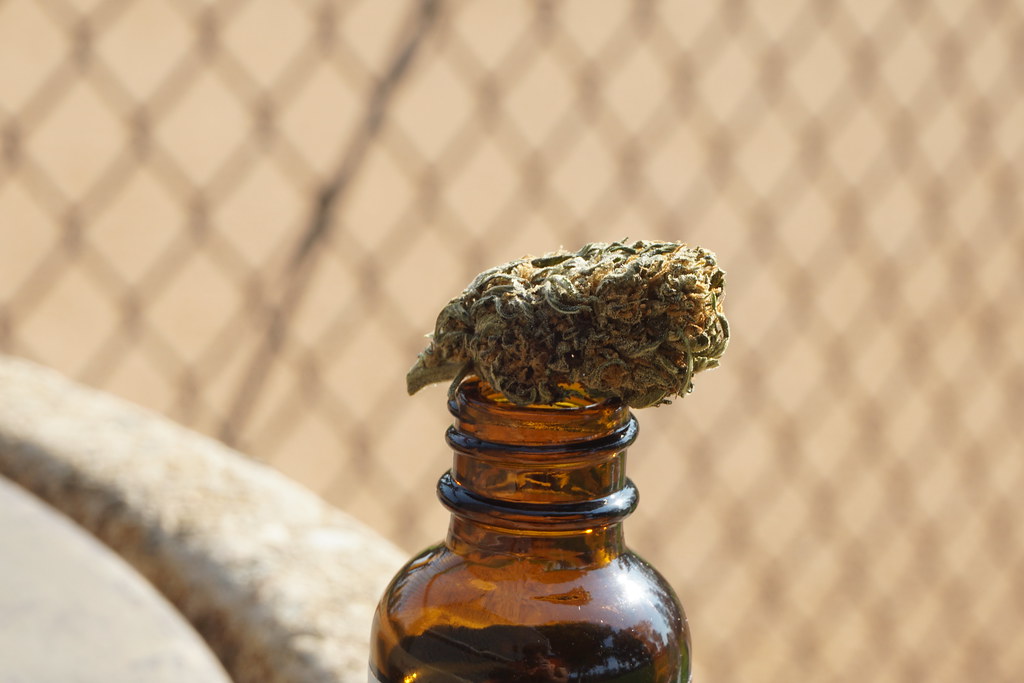
Photo: elsaolofsson via flickr, CC BY 2.0 Introduction
Walk into any hemp shop, browse an online CBD retailer, or spend a few minutes researching hemp-derived wellness products, and you’ll quickly discover an overwhelming number of options. CBD oils, gummies, capsules, creams, beverages, softgels, vapes, powders, and even CBD-infused skincare products all compete for attention. For newcomers, it can be difficult to understand what separates these products and why someone might choose one type over another.
The truth is that CBD products have evolved significantly over the past decade. As consumer interest in hemp-derived wellness products has grown, manufacturers have developed a wide variety of delivery methods designed to fit different lifestyles, preferences, and wellness routines.
Understanding the different types of CBD products is one of the most important steps toward becoming an informed consumer. Each category offers its own advantages, considerations, and unique characteristics. In this guide, we’ll take an in-depth look at the most common CBD product types and explore how they fit into today’s hemp wellness landscape.
What Is CBD?
Before discussing product types, it’s important to understand what CBD actually is.
CBD, short for cannabidiol, is one of many naturally occurring compounds found in hemp plants. Unlike THC, CBD is not known for producing intoxicating effects. Because of this distinction, CBD has become one of the most popular hemp-derived ingredients in wellness products worldwide.
Modern CBD products may contain CBD alone or may include additional hemp-derived compounds such as minor cannabinoids, terpenes, flavonoids, and other naturally occurring plant components.
The way CBD is delivered into a product often has a significant impact on the user experience, convenience, and overall appeal of the product.
Understanding the Three Main CBD Extract Categories
Full-Spectrum CBD
Full-spectrum CBD products contain CBD alongside a broad range of naturally occurring hemp compounds. These may include cannabinoids, terpenes, flavonoids, and trace amounts of THC within legally permitted limits.
Many consumers choose full-spectrum products because they appreciate the comprehensive profile of hemp compounds present in the extract.
Broad-Spectrum CBD
Broad-spectrum CBD is similar to full-spectrum CBD but is typically processed to remove THC while retaining many other beneficial hemp compounds.
This option appeals to individuals who want a wider hemp profile while avoiding THC exposure.
CBD Isolate
CBD isolate represents the purest form of cannabidiol available. During processing, other hemp compounds are removed, leaving concentrated CBD.
Consumers who prefer simplicity often gravitate toward isolate-based products because they contain only cannabidiol without additional cannabinoids or terpenes.
CBD Oils and Tinctures
The Most Recognizable CBD Product Category
CBD oils and tinctures remain among the most popular products in the hemp industry.
Typically packaged in small bottles with droppers, these products allow users to measure serving sizes with relative precision. Oils are often formulated with carrier oils such as MCT oil, hemp seed oil, or other plant-based oils.
One reason oils remain popular is their versatility. Some consumers place the oil under the tongue before swallowing, while others incorporate it into beverages or foods.
Why Many Consumers Prefer Oils
CBD oils provide flexibility. Users can gradually adjust serving sizes based on personal preferences. This level of control is often more difficult with pre-measured products such as capsules or gummies.
Many experienced CBD consumers start with oils because they offer a straightforward way to become familiar with hemp-derived products.
CBD Gummies
Convenience Meets Flavor
CBD gummies have become one of the fastest-growing segments of the hemp marketplace.
These chewable products offer a familiar and enjoyable format. Instead of measuring oil with a dropper, consumers simply consume a pre-portioned gummy.
The appeal is obvious. Gummies are portable, discreet, easy to use, and available in countless flavors and formulations.
Why Gummies Continue to Grow in Popularity
Many consumers appreciate the consistency of gummies. Each piece typically contains a clearly labeled amount of CBD, simplifying product use.
Manufacturers have also expanded gummy formulations to include additional ingredients aimed at supporting specific wellness goals, making gummies an increasingly diverse product category.
CBD Capsules and Softgels
Familiar and Easy to Incorporate
Capsules and softgels appeal to individuals who already take dietary supplements. Note that the FDA has concluded CBD products are excluded from the federal dietary supplement definition, so they are not regulated as supplements even when they look like one.
These products contain pre-measured CBD doses enclosed within a capsule shell or softgel casing. Because they resemble traditional supplements, many consumers find them comfortable and convenient to incorporate into existing routines.
Consistency and Precision
One major advantage of capsules is consistency. Every serving contains a predetermined amount of CBD, eliminating guesswork.
For consumers who prioritize simplicity, capsules often represent one of the most straightforward options available.
CBD Topicals
Hemp Wellness Beyond Internal Products
Not all CBD products are intended for ingestion.
Topical products are designed for application directly onto the skin and include creams, lotions, balms, salves, roll-ons, and body oils.
Topicals have become increasingly popular among consumers interested in localized wellness applications and skincare routines.
The Growth of CBD Skincare
The skincare industry has embraced hemp-derived ingredients in a significant way.
Today, consumers can find CBD facial serums, moisturizers, cleansers, masks, eye creams, and beauty products formulated with hemp extracts.
This trend reflects growing interest in plant-based skincare ingredients and wellness-oriented beauty routines.
CBD Beverages
A New Generation of Functional Drinks
CBD beverages represent one of the most innovative areas of the hemp market.
Manufacturers now offer sparkling waters, teas, coffees, energy drinks, wellness beverages, and drink mixes infused with hemp-derived CBD.
As consumers increasingly seek alternatives to traditional beverage categories, CBD drinks continue to gain attention. Keep in mind that the FDA’s position is that adding CBD to food or drinks sold across state lines is a prohibited act under federal food law, so availability depends heavily on state rules.
Why Beverage Products Appeal to Consumers
Many people enjoy integrating wellness products into daily rituals. A CBD beverage can feel more approachable than a supplement or tincture because it fits naturally into existing habits.
The growing popularity of functional beverages has further fueled interest in this category.
CBD Vape Products
Fast-Growing but Not for Everyone
Vaping has historically been a major segment of the CBD industry.
CBD vape oils, cartridges, disposable devices, and vaporizers offer a distinct delivery method that differs significantly from oils, gummies, and capsules.
While some consumers prefer vaping due to convenience and portability, others choose alternative product formats based on personal preference.
Understanding Product Quality
Consumers interested in vape products should pay close attention to ingredient transparency, testing standards, and product sourcing.
As with all hemp-derived products, quality and manufacturing practices matter significantly.
CBD Edibles Beyond Gummies
A Diverse Category
Although gummies dominate the edible market, they are far from the only option available.
Manufacturers now offer chocolates, baked goods, mints, lozenges, hard candies, honey sticks, chewing gum, and numerous specialty edible products.
The expansion of edible options reflects the industry’s focus on providing consumers with greater flexibility and variety.
CBD Powders and Water-Soluble Products
Innovation in Hemp Formulations
One of the more recent developments in the industry involves water-soluble CBD technologies.
These products often appear in powdered drink mixes, beverage enhancers, wellness packets, and functional nutrition products.
Advancements in formulation technology have allowed manufacturers to explore entirely new ways of incorporating hemp-derived ingredients into everyday routines.
CBD Products for Pets
A Growing Segment of the Market
Pet-focused hemp products have become increasingly common.
These products may include oils, chews, treats, and supplements specifically formulated for companion animals. The FDA has not approved cannabis for any use in animals and cautions pet owners about these products, so speak with a veterinarian first.
As consumer interest in pet wellness grows, hemp-derived products continue to expand within this specialized category.
How to Evaluate CBD Products
Regardless of product type, informed consumers should pay attention to several important factors.
Product transparency remains one of the strongest indicators of quality. Reputable manufacturers typically provide detailed ingredient information, sourcing details, and third-party laboratory testing results.
Consumers should also examine serving size information, extraction methods, cannabinoid content, manufacturing standards, and company reputation.
The best CBD product is not necessarily the most expensive or the most heavily marketed. Instead, it is often the product that best aligns with an individual’s preferences, lifestyle, and wellness goals.
The Future of CBD Product Innovation
The hemp industry continues to evolve at an impressive pace.
New cannabinoids, advanced extraction techniques, innovative delivery systems, and increasingly sophisticated formulations are shaping the next generation of products. What began primarily with tinctures and oils has expanded into a remarkably diverse marketplace offering something for nearly every consumer preference.
As research advances and consumer education improves, we can expect even more innovation in product development and customization.
Conclusion
CBD products have come a long way from the limited options available during the early years of the hemp wellness movement. Today’s consumers can choose from oils, gummies, capsules, topicals, beverages, vapes, skincare products, powders, pet products, and many other specialized formats.
Each category offers unique advantages and appeals to different lifestyles and preferences. Understanding these distinctions allows consumers to navigate the marketplace with greater confidence and make more informed decisions.
As the hemp industry continues to mature, education remains one of the most valuable tools available. The more consumers understand product types, ingredients, and manufacturing practices, the better equipped they become to explore the world of hemp-derived wellness products responsibly and thoughtfully.
You May Also Like

The Sleep CBD Gummy, Honestly: What Actually Helps You Sleep in 2026